
Create a Wallet
Create or import carefully, then confirm which credentials control the wallet.
Create →A multi-chain wallet, blockchain network and Web3 knowledge hub from imtoken
Manage assets across networks, receive and send with deliberate network checks, connect to DApps, review approvals, and build practical knowledge around blockchain networks and wallet security.
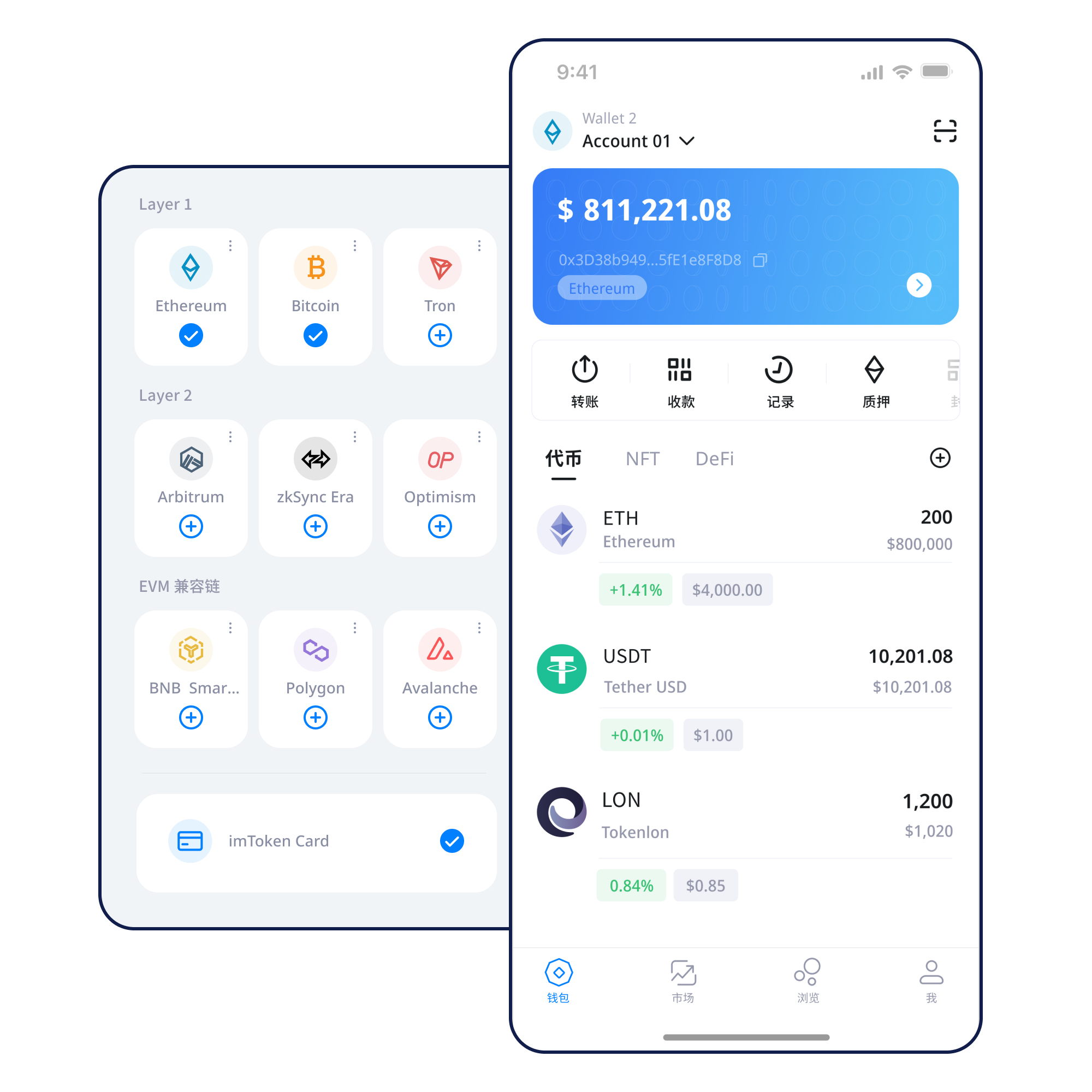
A clear workflow keeps network, permission, and security checks attached to the action that matters.
Create or import carefully, then confirm which credentials control the wallet.
Create →Keep seed phrases and private keys offline and never submit them to a website.
Backup →Share the correct address together with the network the sender should use.
Receive →Verify network, destination, amount, and gas before signing.
Send →Check the domain and treat every signature or approval as a separate decision.
Connect →Use one product surface while keeping assets, networks, and permissions distinct.
Compare networks, verify address context, and understand confirmations before moving assets.
Check the receiving address, network, amount, gas, and transaction hash in sequence.
Transfer guide →Manage networks, view assets, review transaction records, and access DApps from a mobile workflow.
Browser connections should keep request review and approval scope visible.
Learn about web connections →Protect seed phrases, private keys, and approval boundaries with offline backup and deliberate reviews.
Choose a topic on the left. All content remains present in the page source for accessibility and indexing.
Manage several networks without confusing balances or transaction states.
Verify the network, address, fee asset, and confirmation state before continuing.
Understand nodes, blocks, confirmations, and explorers.
Verify the network, address, fee asset, and confirmation state before continuing.
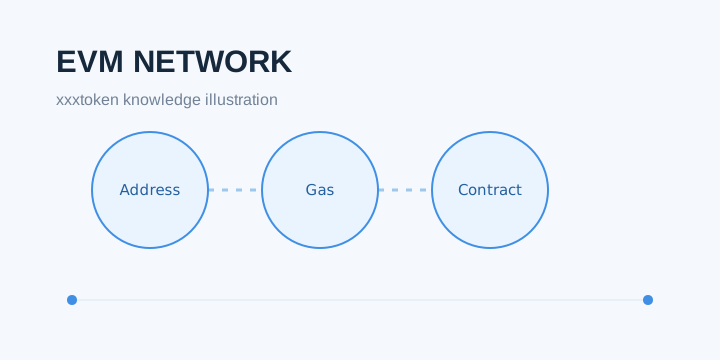
Keep address format, gas assets, and contract context separate across compatible networks.
Verify the network, address, fee asset, and confirmation state before continuing.
Understand bridges, base-layer relationships, and cross-layer confirmation.
Verify the network, address, fee asset, and confirmation state before continuing.
Read fees and confirmation state as network conditions, not just interface labels.
Verify the network, address, fee asset, and confirmation state before continuing.
Move deliberately from installation and backup to network checks, transfers, and permission hygiene.
Use the official download entry and review the product information before installation.
Know whether you are generating new credentials or using an existing wallet.
Keep the seed phrase private and verify your backup without exposing it.
Match the asset, address, and gas requirements to the correct network.
Check address, network, amount, and fee before signing.
Use hashes for on-chain status and remove permissions you no longer need.
A connection does not mean every later request should be accepted. Review each signature and approval on its own.
Open the Web3 guide →Wallet security starts with keeping seed phrases and private keys private, but it also includes approval hygiene, domain checks, device security, and careful transfer review. imtoken personnel will never ask for your seed phrase or private key. Do not send these secrets or verification codes to anyone. On-chain transactions generally cannot be unilaterally reversed by a wallet, so prevention and pre-signing checks are essential.
Visit the Security Center →Start with addresses, seed phrases, private keys, networks, gas, transaction hashes, DApps, and approvals. The goal is to understand which information can be public, which must stay private, and which network context belongs to each action.
Read the getting-started guide →Practical concepts with checks you can apply to real wallet activity.
Practical concepts with checks you can apply to real wallet activity.
Practical concepts with checks you can apply to real wallet activity.
Practical concepts with checks you can apply to real wallet activity.
Practical concepts with checks you can apply to real wallet activity.
Practical concepts with checks you can apply to real wallet activity.
Understand validators and exits before thinking about rewards.
Learn about validator duties, reward sources, network state, withdrawals, and the exit process. Rewards are not guaranteed and can change.
Ethereum staking basics →Validator penalties, smart-contract risk, waiting periods, and market volatility all matter. Evaluate any third-party service independently.
PoS & validators →Content-first notices without invented corporate milestones or fabricated dates.
Prefer offline storage and never share it with anyone.
The same asset name can exist on different networks with separate states.
Address, network, asset, amount, and gas requirements.
No. Signatures and approvals are separate actions that require separate review.
No. Private keys are controlled by the user and official personnel will not ask for them.
No. Rewards can change and participation involves network, contract, and market risks.
Download through the unified entry point. Never share a seed phrase, private key, or verification code.